How to Match the DH190 to Your Project
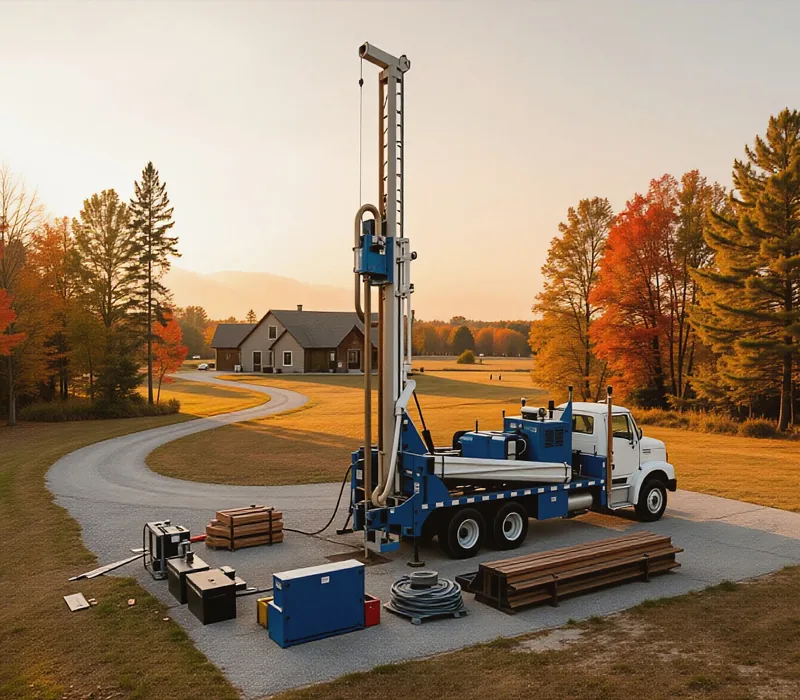
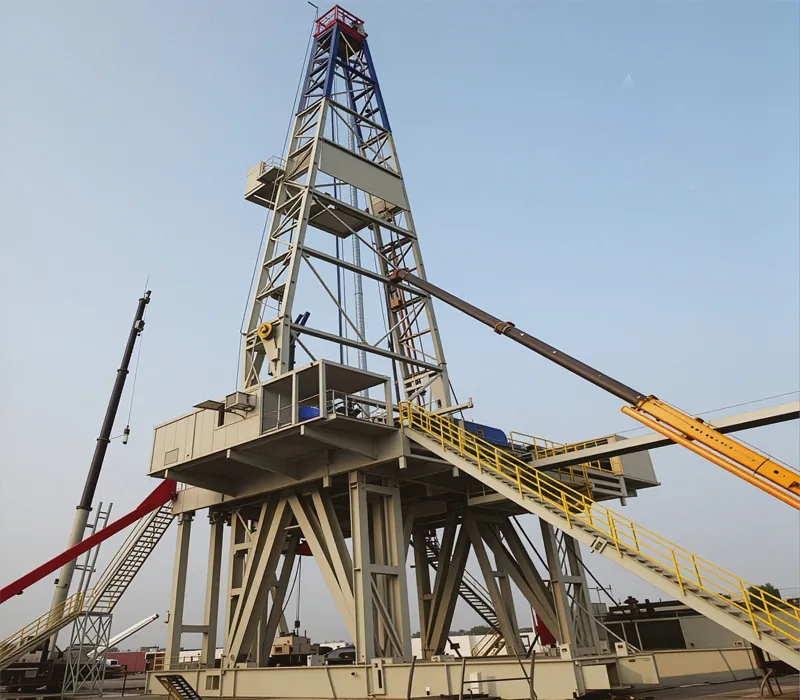
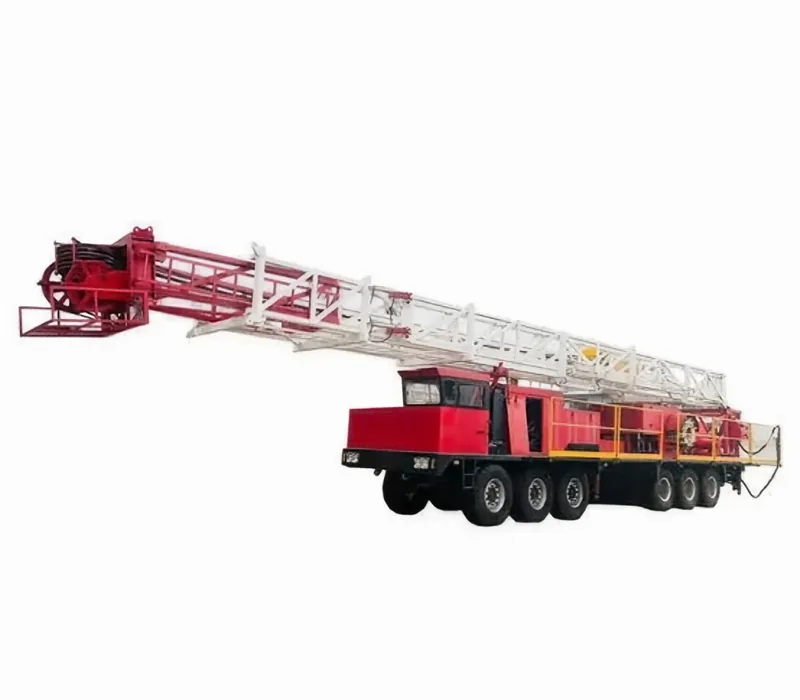
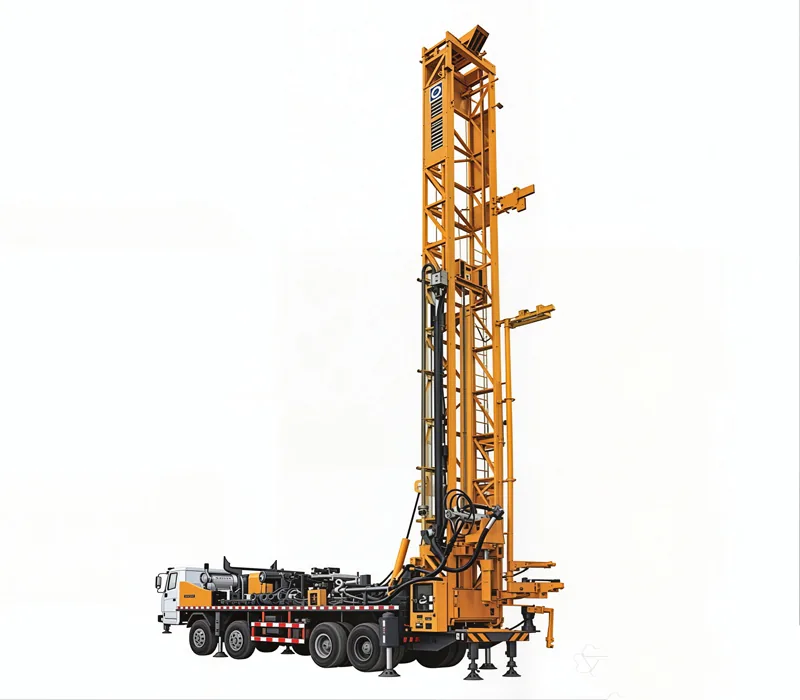
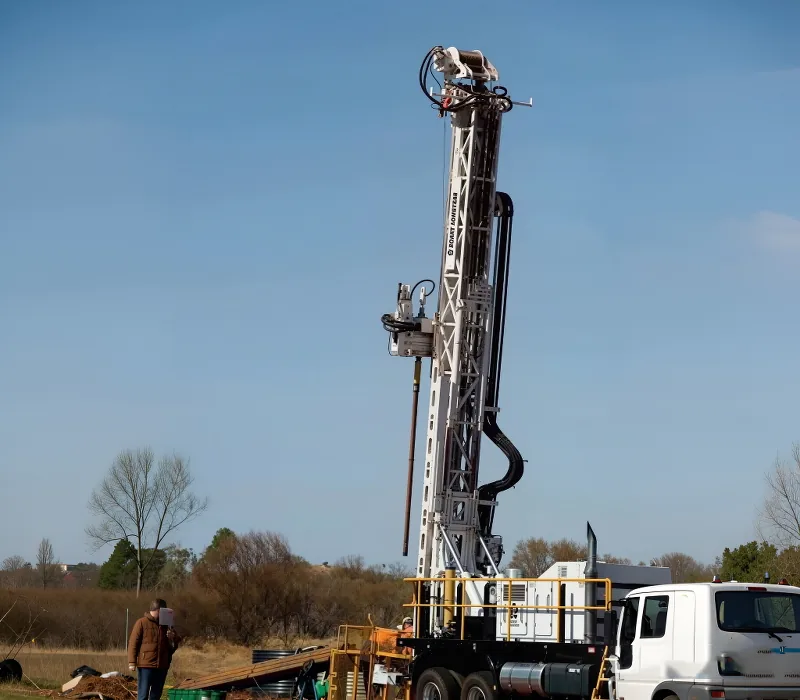
Landslide debris, tunnel collapse and urban grouting sites share one nasty constant: broken, collapse-prone ground where the drill string jams and casing must follow the hole down. Is your current unit built to pull that string back out? The DH190 emergency rescue hydraulic drilling rig is engineered for exactly that failure mode — a 9200 N·m impact-rotary power head at 30-75 r/min, an independent high-frequency impact pipe-pulling module, and 100 kN feed over 100 kN lift, covering 110-320 mm holes at 30-190 m. Its 360° mast drills vertical, horizontal and inclined bores, and load-sensing hydraulics match flow to load through gravel soil, fractured rock and weathered hard ground.
Before requesting a DH190 quotation, the configuration questions are mission-specific: the azimuth range your bores must cover — the multi-angle mast handles horizontal through vertical, but the rod choice between 76, 89 and 102 mm pipes changes string stiffness — the casing-follow-up and anti-jamming duty in collapse zones, and whether the site sits underground where exhaust is restricted, in which case an electric or hybrid drive with explosion-proof components serves confined mine relief. State your debris conditions and passage width, because the widened anti-sink tracks and 7800 x 2480 mm shipping footprint are chosen against access. The rig runs -20 °C to +50 °C; the wireless remote keeps operators clear of the fall line while the wired handle covers signal-poor disaster sites.
Each DH190 shipped from our Jingzhou plant carries the complete export paperwork for customs, plus the impact pipe-pulling tooling and spares your contract demands. Because each unit is configured around hole azimuth, casing duty and power source, the quotation is assembled from your hole plan instead of lifted from a price sheet.