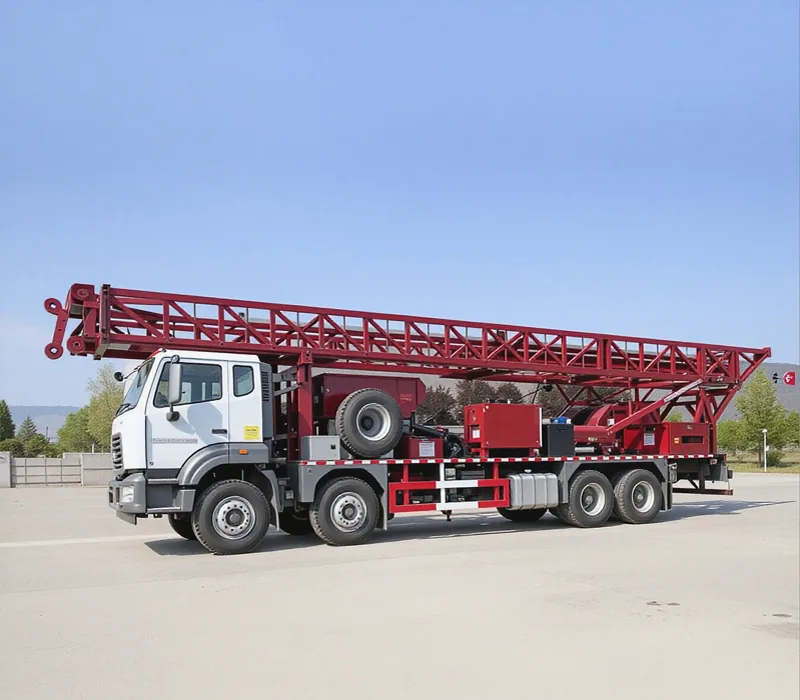
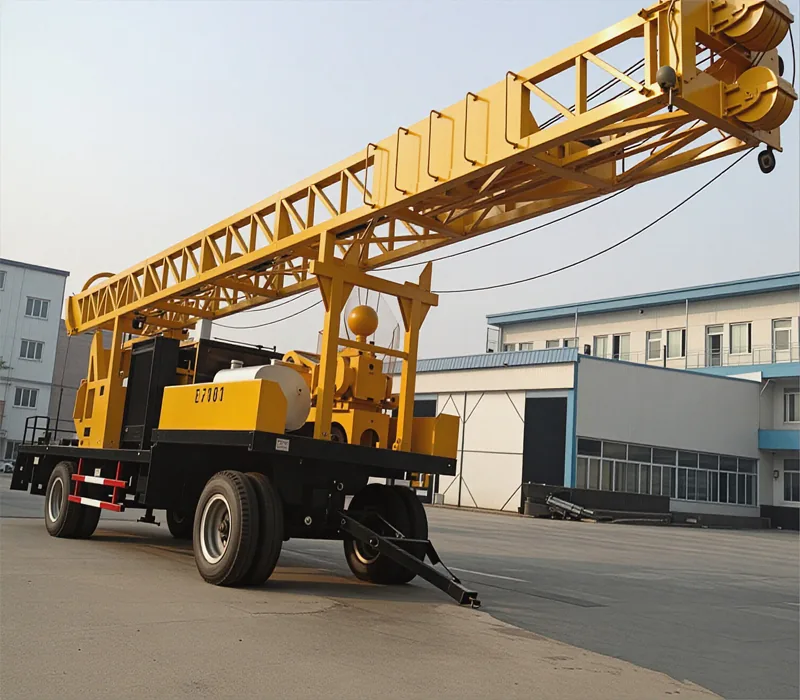
Selection notes for crawler and core rigs
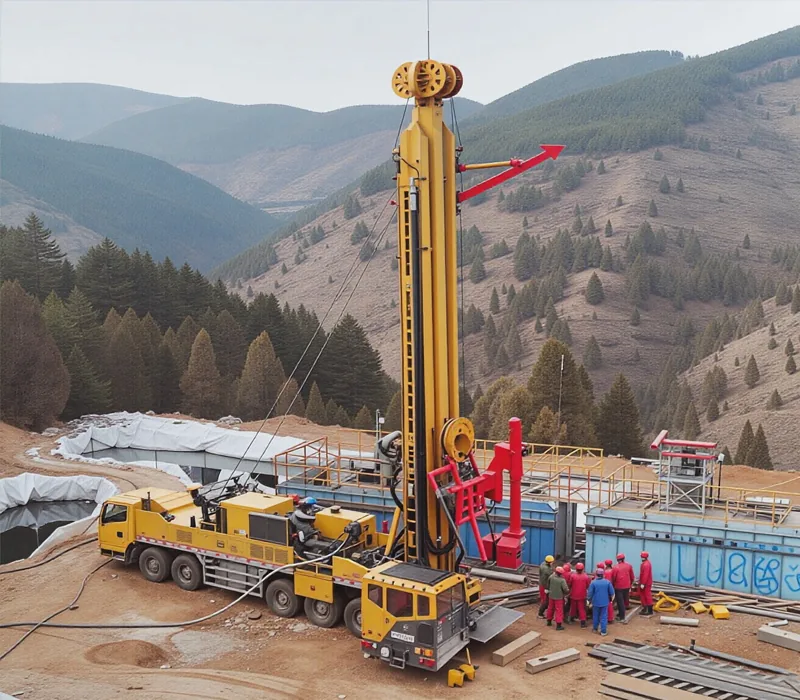
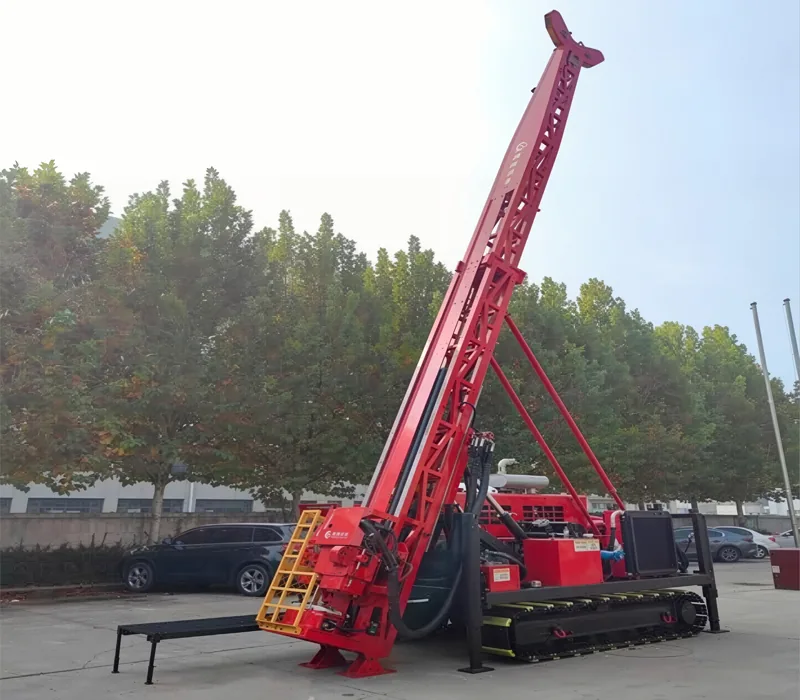
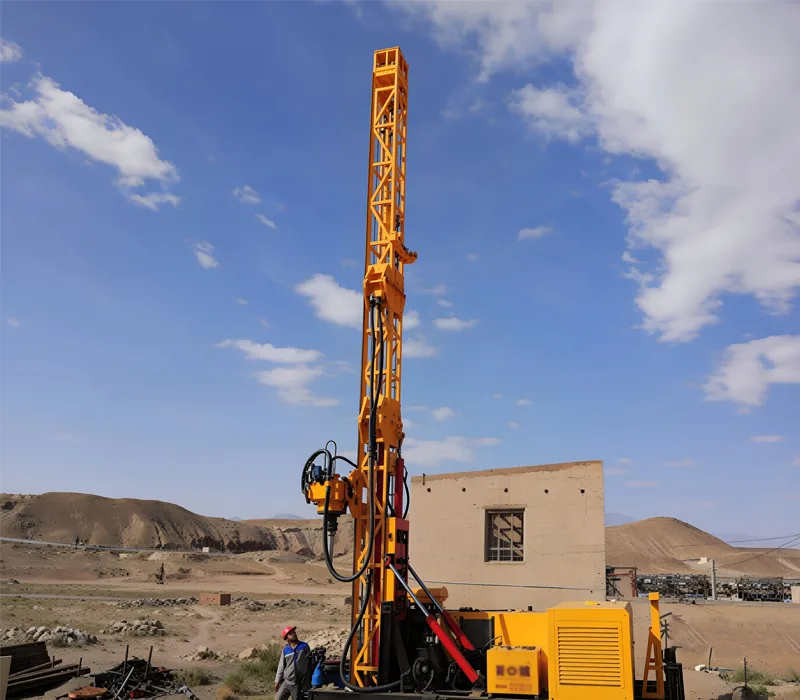
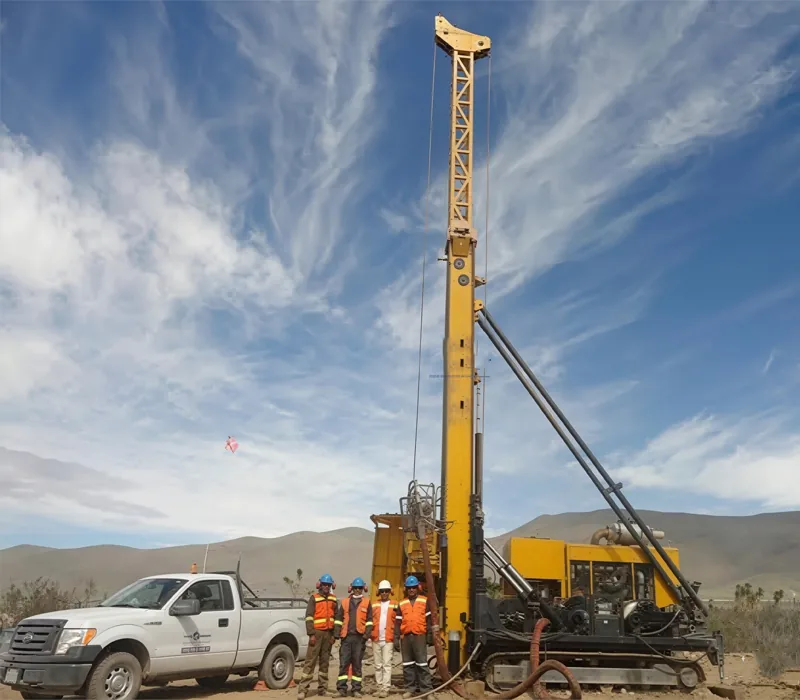
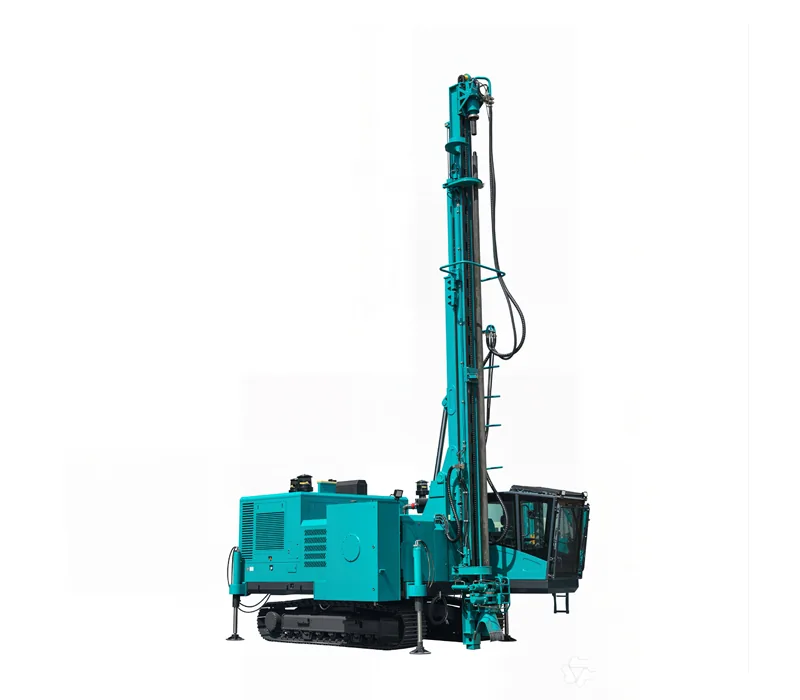
Crawler-mounted packages are chosen where terrain access decides feasibility: hills, muddy ground, and unprepared sites favor self-propelled tracked chassis that eliminate auxiliary transport. Applications span core sampling, water well construction, hydrological surveys, rescue drilling, and shallow exploration.
Selection focuses on coring depth, spindle torque, and feed and pull-back force, because formation hardness drives tool choice and rod recovery. Wire-line coring support improves recovery rates in deep holes, while hydraulic stepless rotation gives the operator continuous speed control across variable rock. Compare the rated coring diameter and applicable strata on each model page, then confirm rod, bit, and circulation options with the sales team before ordering.
Total cost of ownership deserves the same attention as unit price: when buyers compare a core drilling rig price across the lineup, spare-part availability for spindle seals, wire-line hoist components, and power-head wear parts often decides whether a 200 m rescue program or a 1500 m coring campaign stays on schedule. It is worth asking the GXY-44 rig manufacturer about recommended wear-part stock lists, operator training on hydraulic stepless rotation and crawler undercarriage maintenance, and remote technical support for fault diagnosis between site visits. For compact units such as the ZML161, the ZML161 drilling rig price is naturally lower, yet the service plan matters most on remote, roadless pads where one idle day delays the whole sampling program. When requesting a DH190 drilling rig quotation, confirm the delivery scope for drill rods, bits, and training hours, because these items keep the rig productive across cold-season and rescue projects.