How to Match the ST-400 to Your Project
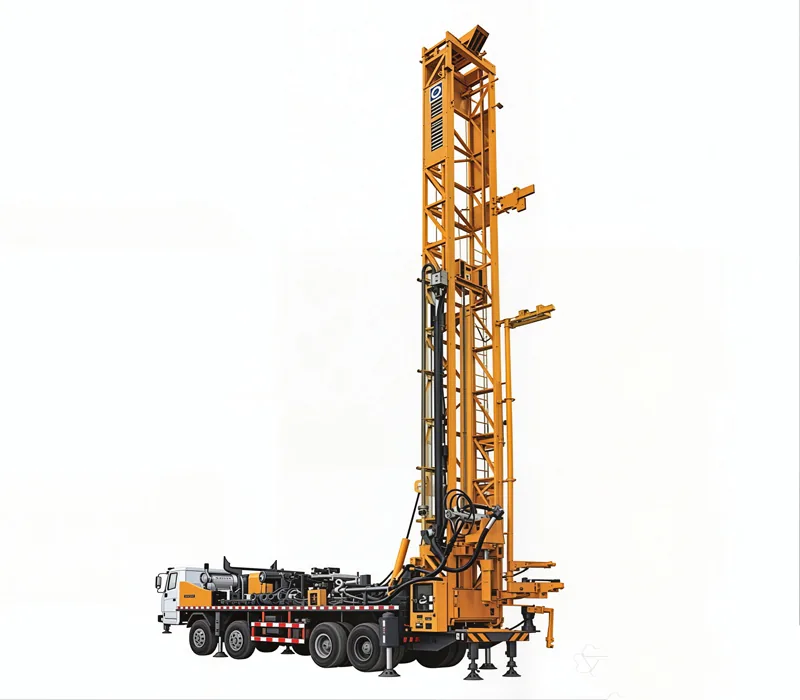
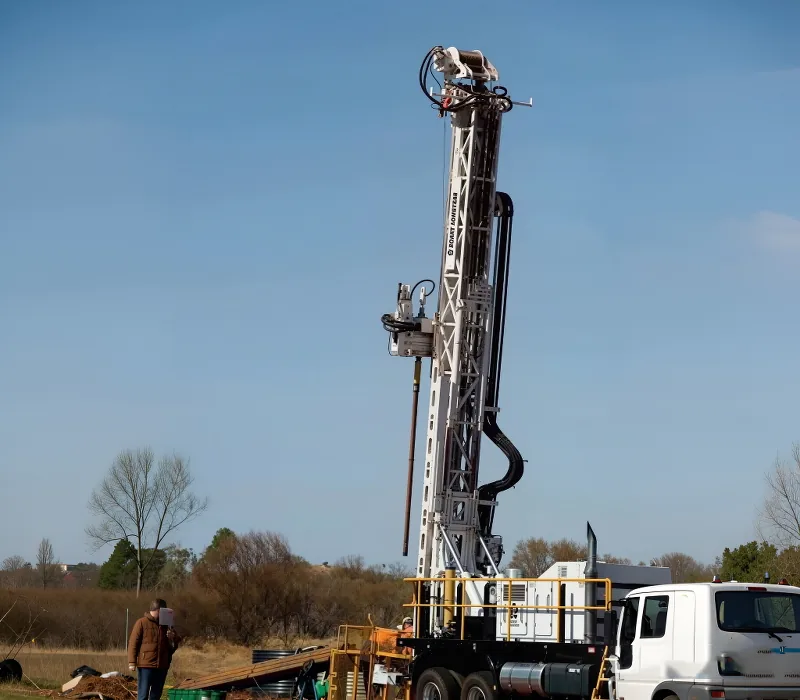
The cost per metre of a water well programme is decided before the first rod is run, and for a 400 m village or irrigation project that means matching the rig to the hole, not to the spec sheet. The ST-400 water well drilling rig is built around a 400 m medium-depth envelope with a 3200 N·m spindle and a multi-speed 70-850 r/min head, turning a 110-150 mm bore through soil, sand, gravel and weathered to medium-hard rock. At 2200 kg and under 2.8 m long on its skid, it trucks to remote fields without a heavy-haul permit, and the 55 kN pull-back handles casing a light civil team can manage. It is the economical choice where wells top out near 400 m; a 1000 m municipal source well belongs to a deeper class of water well drilling rig.
When you send an ST-400 drilling rig inquiry, include the well design rather than the depth alone. Tell us the target casing diameter (110, 130 or 150 mm), the expected yield and the submersible pump you plan to install, because casing and pump clearance drive the final bore size. Describe the formation: gravel beds favour a slower rotary speed with heavier weight-on-bit, while weathered rock calls on the full torque band. State grid availability too — the 45 kW electric motor suits fixed village sites, and the 58 kW diesel engine serves off-grid drought-relief and remote locations.
Bore size, power unit and the pump-and-casing accessory package all move the price, so the ST-400 is built to the well rather than to a catalogue figure. Once the order is placed, the fabrication timetable is committed and photo updates follow at each stage; tell us the casing and pump plan and the commercial reply carries the delivery date.