Selection notes for geothermal drilling rigs
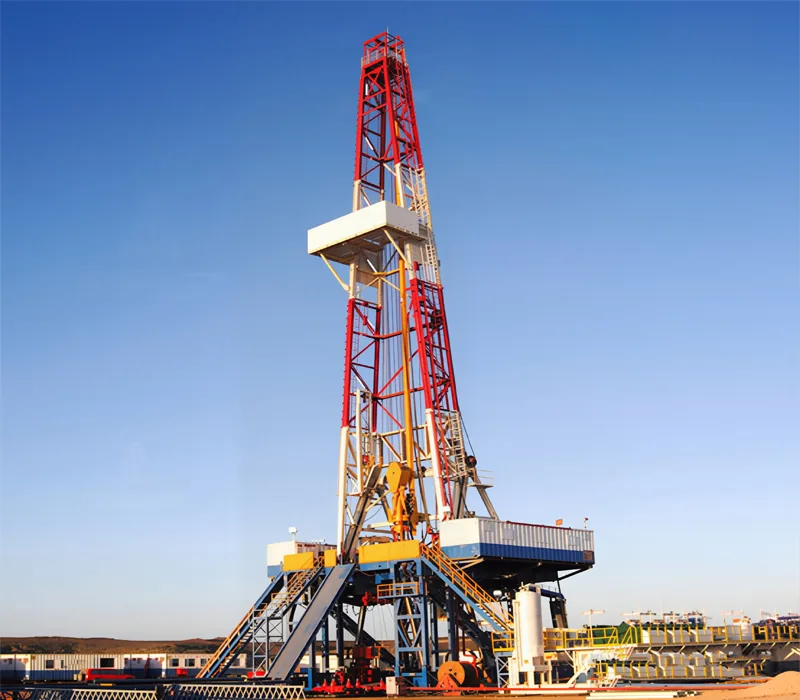
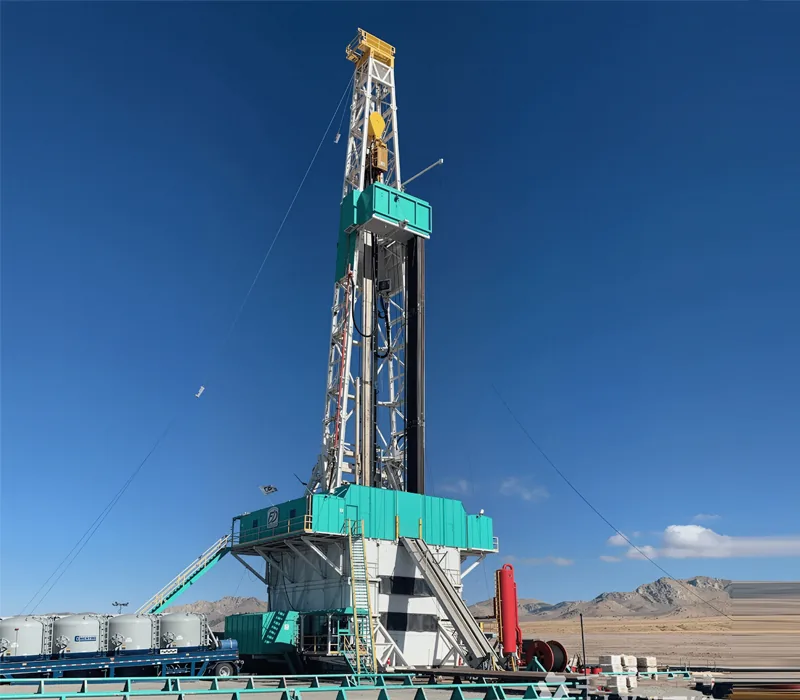
Geothermal programs combine hard, abrasive formations with frequent pad movement, so the rig specification must cover torque control, circulation handling, and relocation speed in one package. Full hydraulic drive is preferred where stepless rotation control protects the string in fractured and volcanic rock.
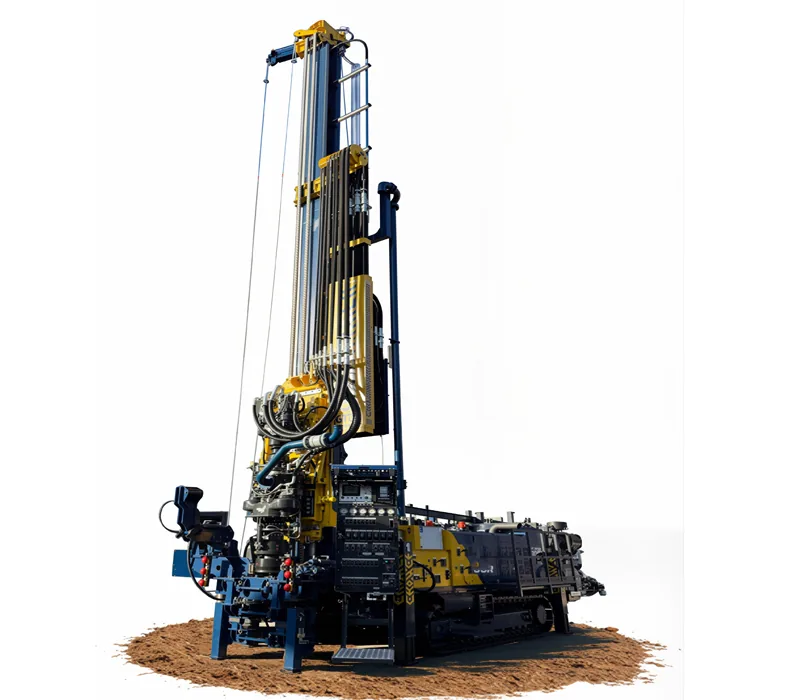
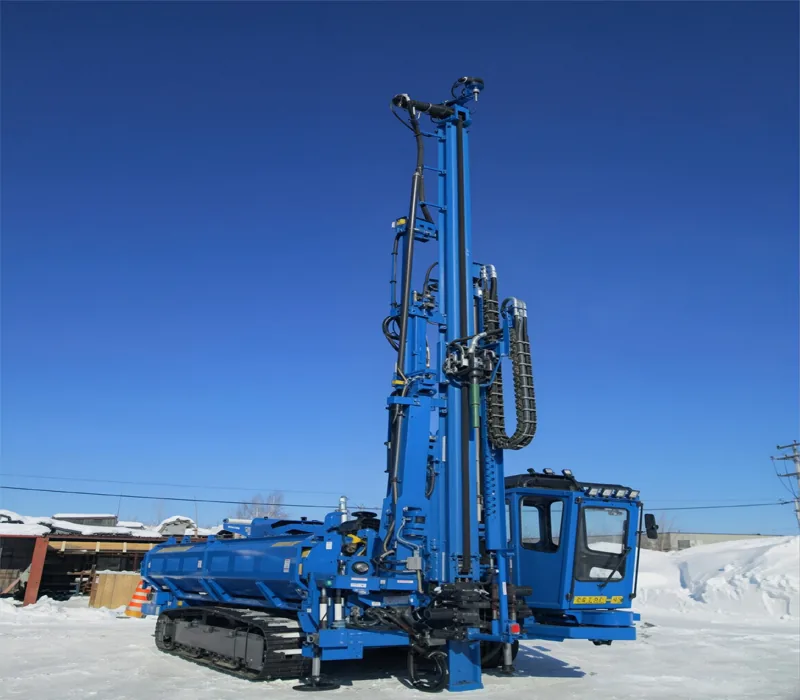
Review the nominal drilling depth against the well profile, and check whether the package is crawler, truck, or skid mounted for the pad layout. Hot return fluids and high ambient temperature call for cooling and derating review during configuration. Compare the listed models, then send well depth, formation data, and site temperature to the sales team for a matched quotation.
Documentation review should begin before the final quote: when operators compare a geothermal drilling rig price for a high-temperature project, the certification file set carries as much weight as the hoisting numbers. For each candidate, request API 4F derrick inspection records and API 7K certificates for drawworks and rotary equipment, together with temperature-declaration sheets for the circulating and hoisting packages. A serious geothermal drilling rig exporter also provides material test records for parts exposed to hot return fluid, so the engineering team can verify derating assumptions during pad planning. When reviewing the ZDX-G2000 drilling rig price against a 2000 m fractured-reservoir program, match the 200 kN hoisting force against the planned string and confirm that the crawler package's cooling configuration is documented. As the GH4500 rig manufacturer supplies the compact skid unit rated to 4500 m, its file set should cover skid lifting-point drawings and heat-duty derating, ready for submission to the project owner.