How to Match the HXJ225 to Your Project
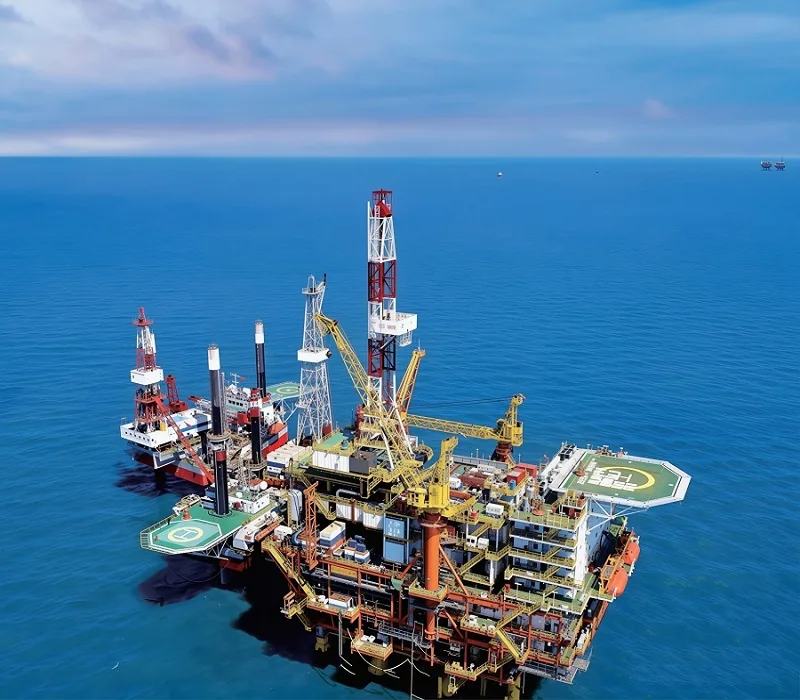
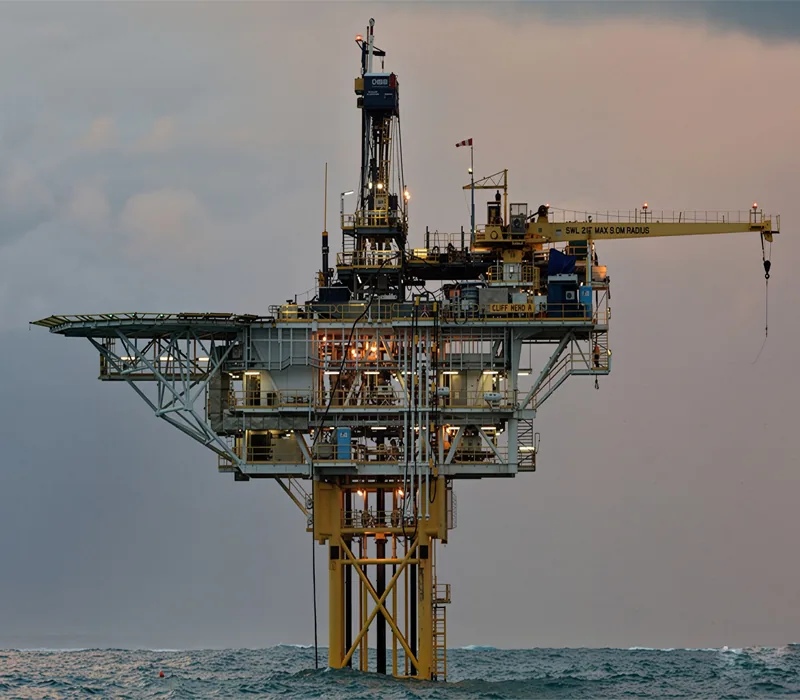
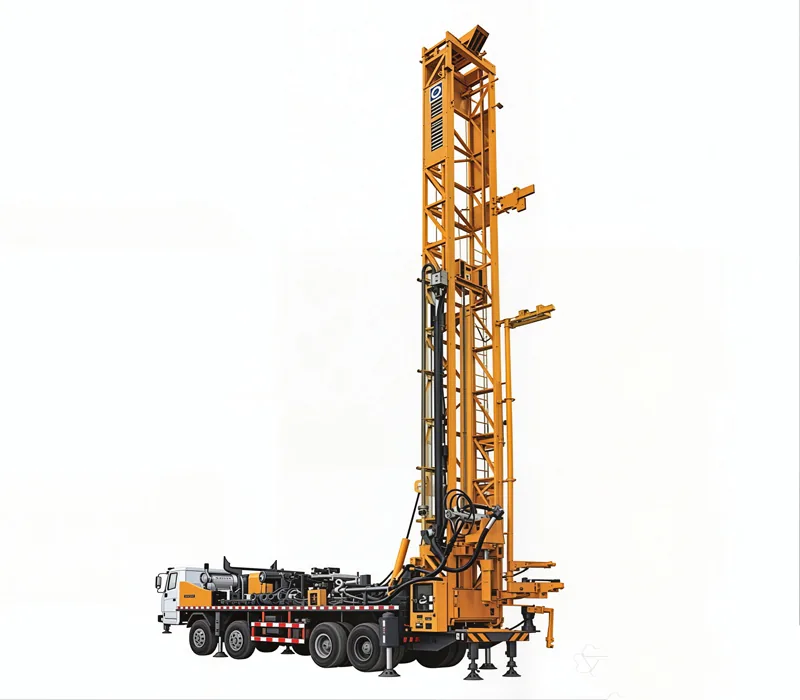
On a platform, the rig is only part of the logistics chain, and the HXJ225 offshore workover rig is dimensioned for that reality rather than for land economics. Built for 2000 m-level intervention through 73 mm pipe, it carries a 1580 kN hook and 225 HP (168 kW) over a ZP205 table, but the design priority is a compact marine-grade footprint: a slim vertical mast, salt-spray passivation and anti-corrosion coating, hazardous-area electricals and structure rated for 20 m/s working wind. Where a land workover unit buys depth envelope cheaply, this offshore model buys deck space, weather survival and safe module lifts — the constraints that actually decide whether the job can run.
When you open an HXJ225 drilling rig inquiry, send the platform data before the well data. Tell us the available deck footprint and the maximum deck load, the crane lifting capacity and lift radius for transferring modules offshore, and the hazardous-area electrical classification, because the split layout and explosion-proof VFD option are engineered to those limits. Specify the intervention scope — routine cleanout, stuck-pipe relief, sidetrack or plug-and-abandonment — so the 25 MPa standpipe and 8-line hoist are matched to the expected tubing loads. API 4F, API 7K and ISO 9001 certification is the certified baseline, with marine offshore safety standards applied throughout.
Derrick size, drive type and deck footprint are chosen per platform, so the HXJ225 offshore workover rig is quoted case by case. Marine spares are matched to each unit and kept on file for the life of the installation; send the deck load and crane radius and the commercial outline returns with the marine survey notes.