Selection notes for offshore platform workover rigs
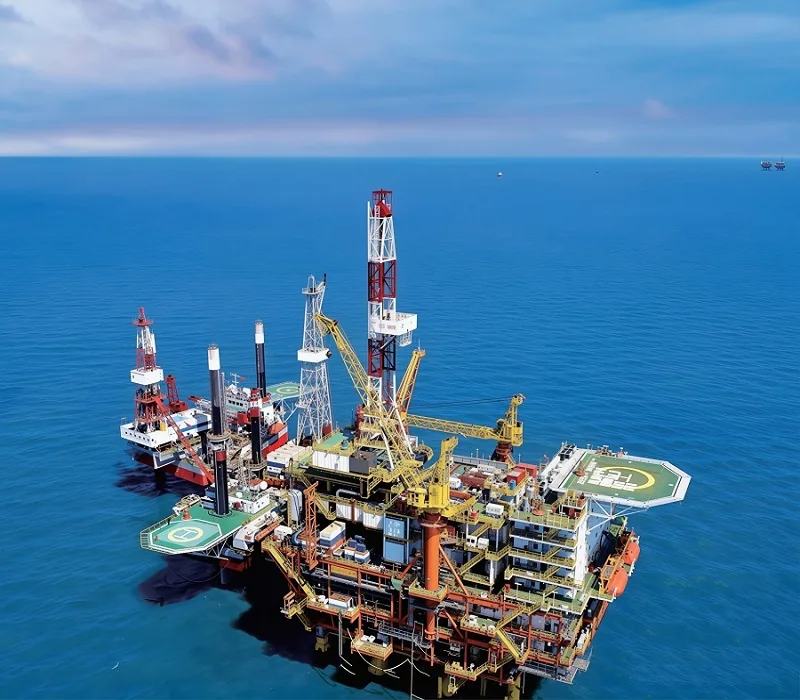
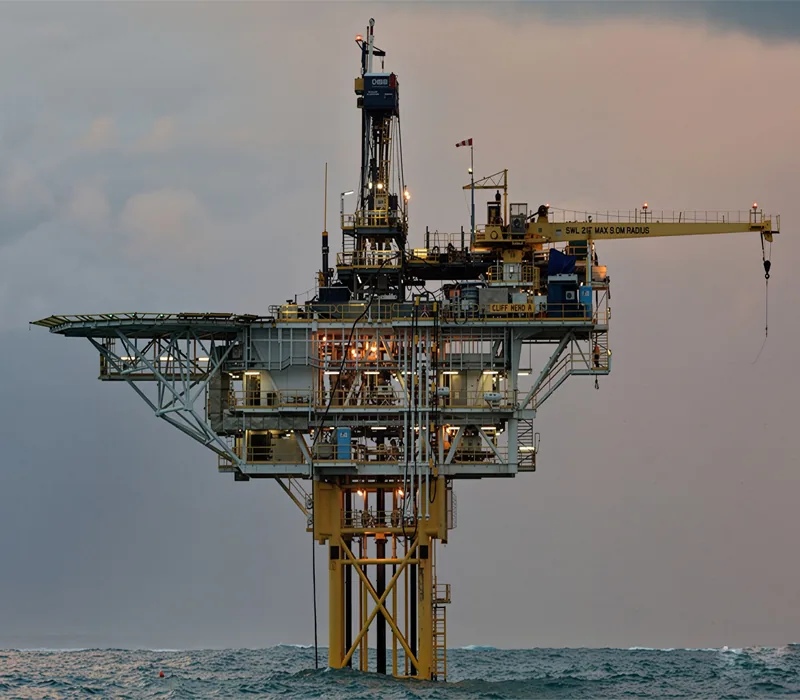
Offshore platform packages are constrained by platform space, deck load capacity, and crane limitations rather than by land-based layout. Selection starts with the platform geometry: the unit footprint, derrick height, and component weights must fit the available deck and lifting equipment before the workover program is confirmed.
Rated workover depth and static hook load are matched to the well bay and planned intervention tasks, while explosion-protection and anti-corrosion treatments follow the platform environment. The compact, dedicated design keeps rig-up simple on a fixed platform. Compare the listed models against platform drawings, then confirm deck loading, lifting points, and power supply with the sales team.
Fixed-platform campaigns are decided by logistics before the first joint is laid down. A unit intended for a platform lift must fit the available crane radius, the well bay footprint, and the deck load limit, and power supply normally taps the platform system rather than a self-contained diesel package. When operators request an offshore workover rig quotation for a platform campaign, the first data exchanged is platform geometry - derrick height, component weights, and lifting-point positions - not just depth. The offshore workover rig price then reflects how much compactness and marine-rated protection are built in: anti-corrosion coating, explosion-protected control circuits, and wind-rated derrick design all move the number away from a land equivalent. Buyers sourcing an offshore workover rig for sale should also plan sea-fastening and crane-lift dimensions early, because a unit that passes well-bay checks can still be blocked by deck crane limits. As the HXJ315 rig manufacturer supplies the heavier 3000 m, 3150 kN unit, its package drawings are issued against platform deck data, while the lighter HXJ225 covers 2000 m well bays where deck load is tighter.