Selection notes for workover rigs
Workover packages are rated by service depth and hoisting capacity rather than drilling depth, because the tasks are intervention, repair, and completion work on existing wells. Start with the deepest intervention planned and the heaviest string to be pulled, then match the nominal working depth and static hook load.
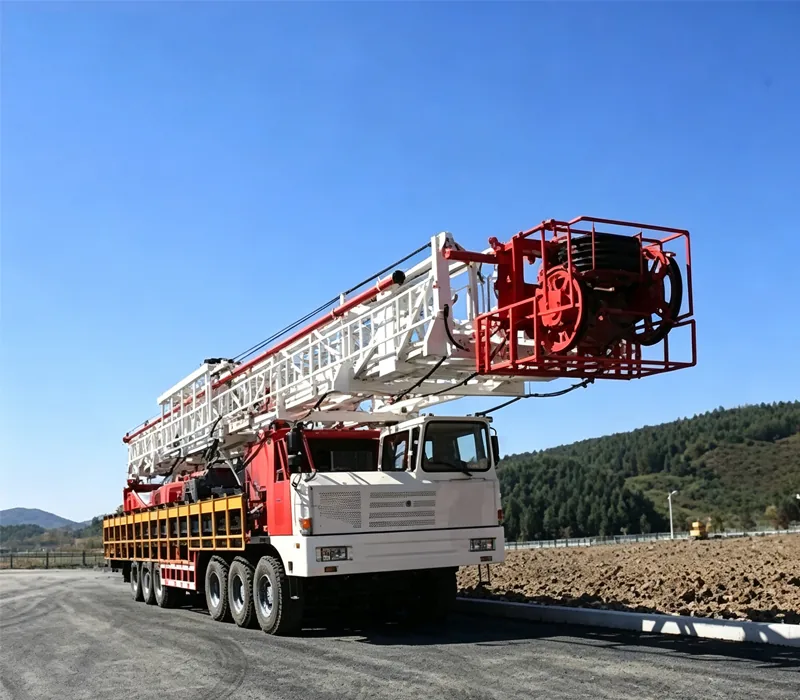
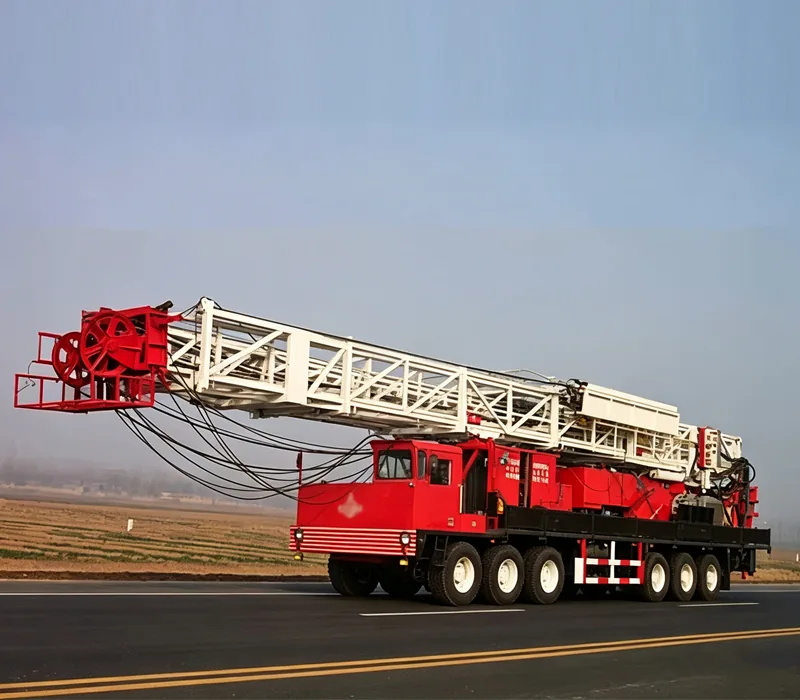
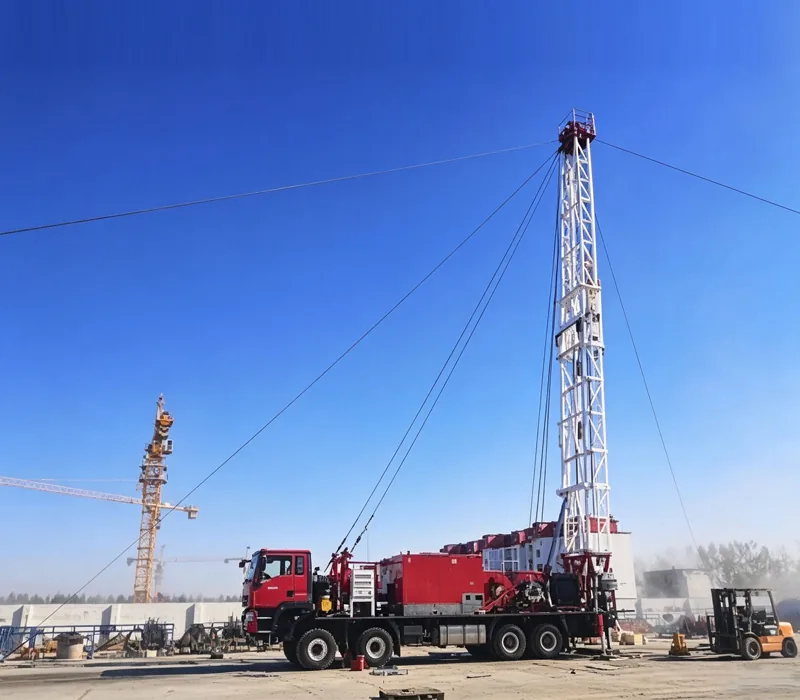
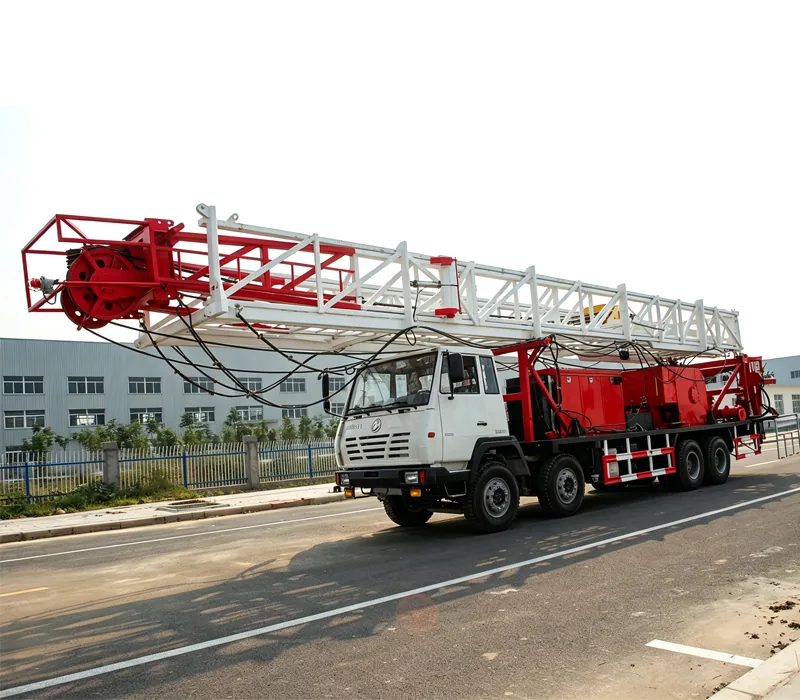
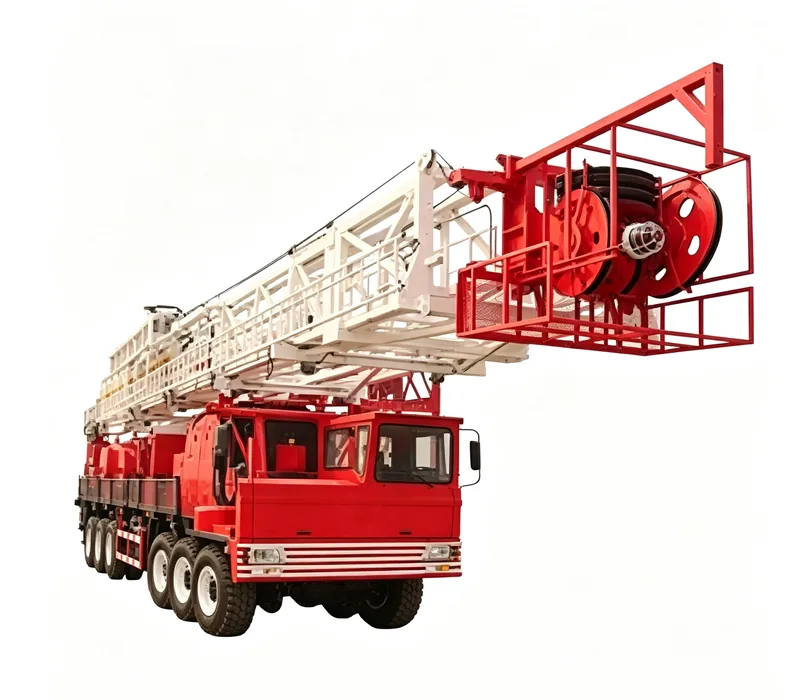
Mobility options decide field efficiency: truck-mounted units relocate quickly on prepared roads, crawler or skid packages suit remote or rough terrain, and offshore units follow platform constraints. Service tasks such as snubbing, fishing, and packer retrieval may require auxiliary equipment in the same scope. Compare the model pages, then confirm the intervention program and auxiliary needs with the sales team.
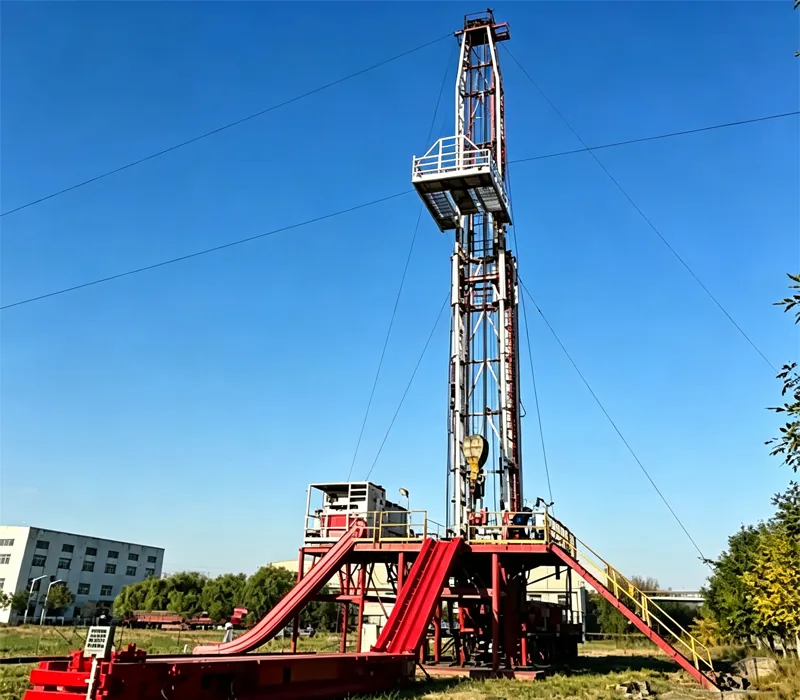
Fleet sizing usually follows hook-load tiers rather than single-well cases. Light units around 800-1100 kN, such as the LT-XJ800 rated for 2000 m workover depth, handle shallow well servicing; mid-tier units near 1580-1850 kN cover 4500-5500 m completions; and the heavy 3150-4000 kN class, represented by the XJ1350, reaches 7000 m intervention. Operators assembling a workover rig for export fleet often buy across two tiers instead of one oversized unit, because matching capacity to each well removes idle horsepower on location. When comparing the workover rig price per tier, remember that fuel, crew, and mobilization costs follow hook load, not rated depth alone. Request a well servicing rig quotation for each planned tier rather than a single anchor unit, and benchmark the XJ650 drilling rig price as the mid-tier step between the 1580 kN XJ550 and the 3150 kN XJ1000. This tiered logic keeps a renewing fleet balanced: shallow wells stay on light units while deep intervention goes to the heavy truck.