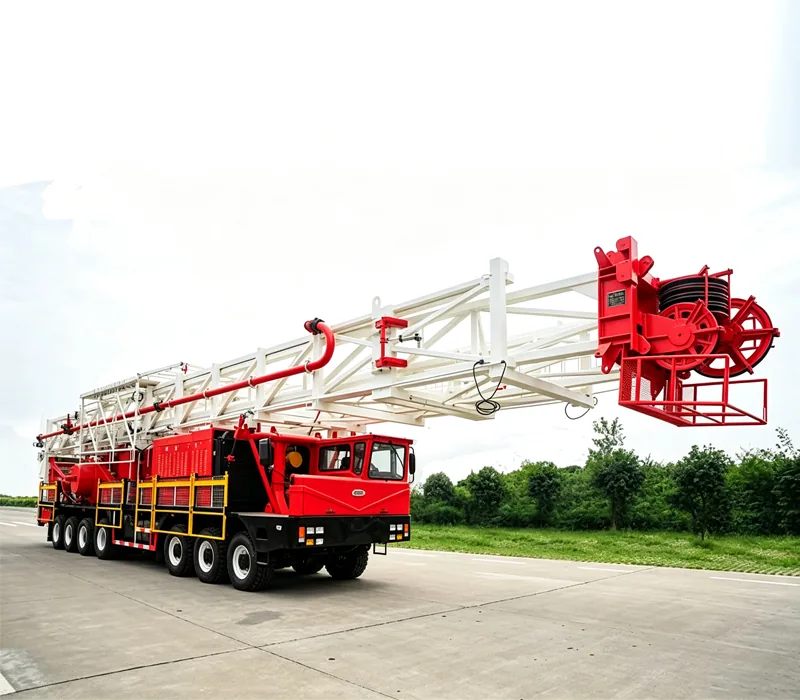
Selection notes for trailer-mounted rigs
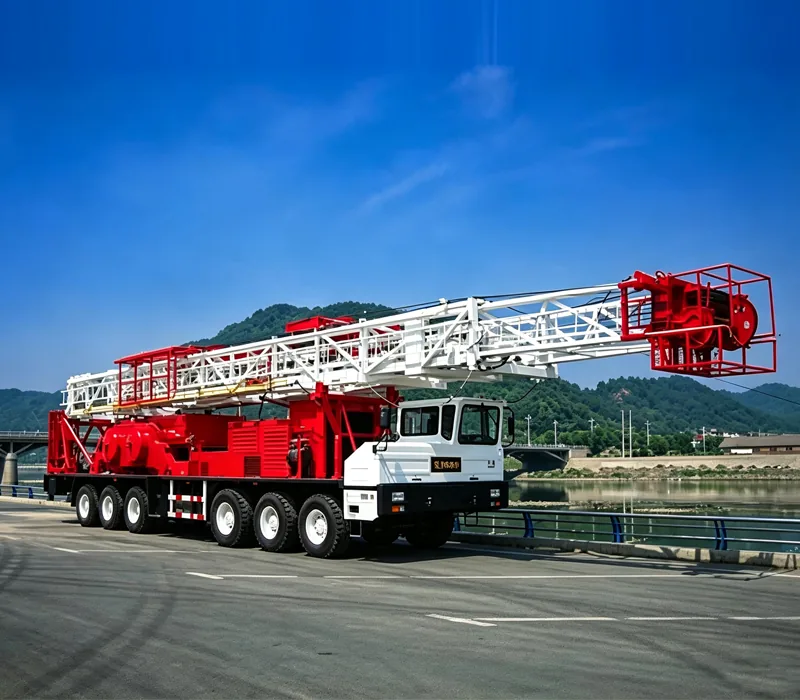
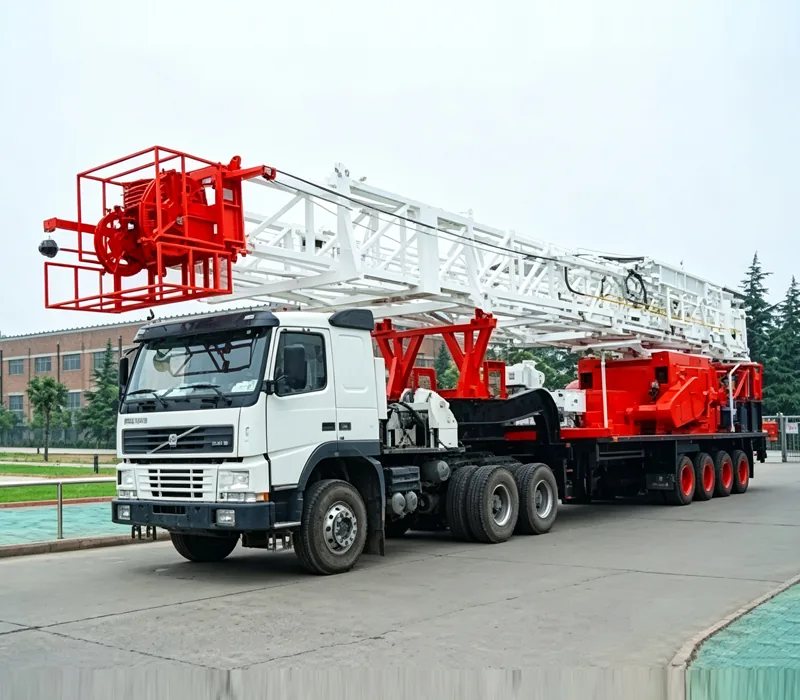
Trailer-mounted systems are specified when towing is the dominant transport constraint. Selection starts with the transport route: road width, bridge limits, and maximum towed length decide the trailer configuration and whether the structure is towed complete or split into modules for the move.
At the well site, drilling depth and expected casing program set the nominal depth class and hoisting capacity, while the mast design determines rig-up speed and working height. Moderate-depth projects with controlled site access are the typical fit; confirm the towing vehicle requirement, outrigger spread, and leveling system against the pad layout. Open the model pages to compare specification tables before confirming the transport package with the sales team.
For trailer-mounted fleets, the rig itself is only part of the budget: route surveys, oversized-load permits, escort vehicles, and the towing tractor can rival the equipment cost across a long move. When you compare a trailer mounted drilling rig price, ask whether the figure includes the folding mast, outriggers, and leveling package, because a trailer mounted drilling rig for sale that omits these items will look cheaper on paper and cost more on the road. A TZJ20 drilling rig price represents the lightweight 2000 m towable class, which usually clears standard width limits and avoids special-permit convoys, while deeper 3000 m units like the TZJ30 may need route-specific escort planning. As an experienced trailer mounted drilling rig exporter, we can pre-calculate module transport dimensions and issue an XD-15DT drilling rig quotation split into equipment, crating, and ocean freight, so your logistics budget is locked before the rig leaves the factory.