Selection notes for land drilling rigs
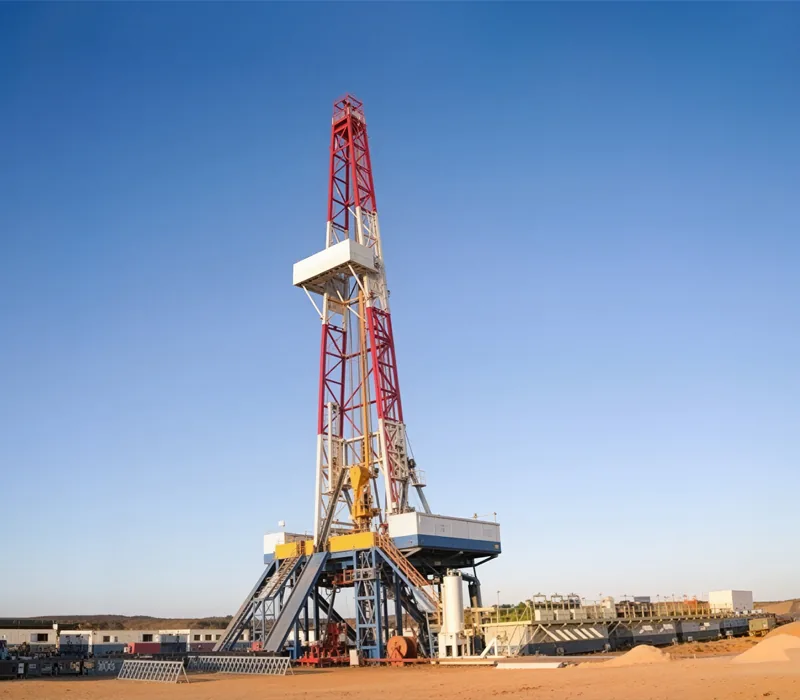
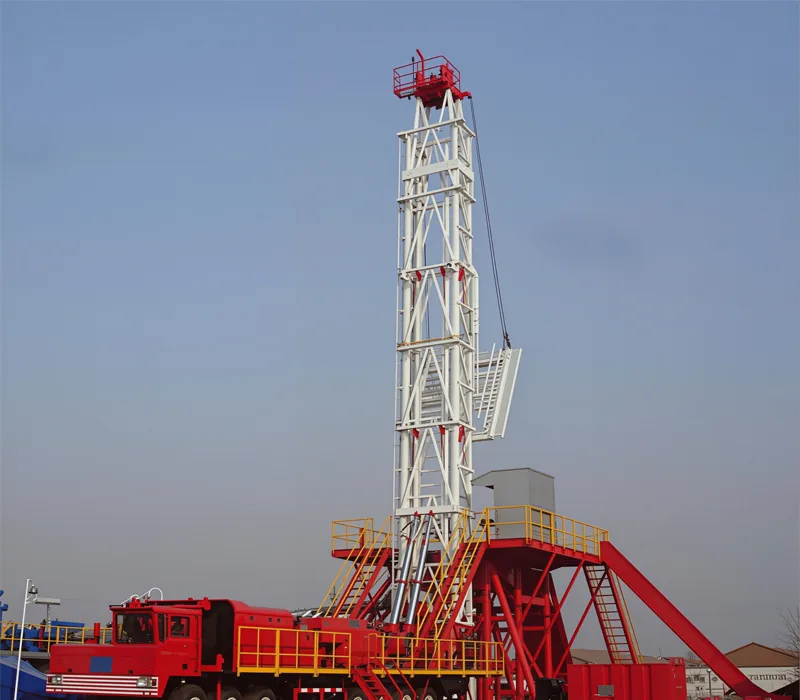
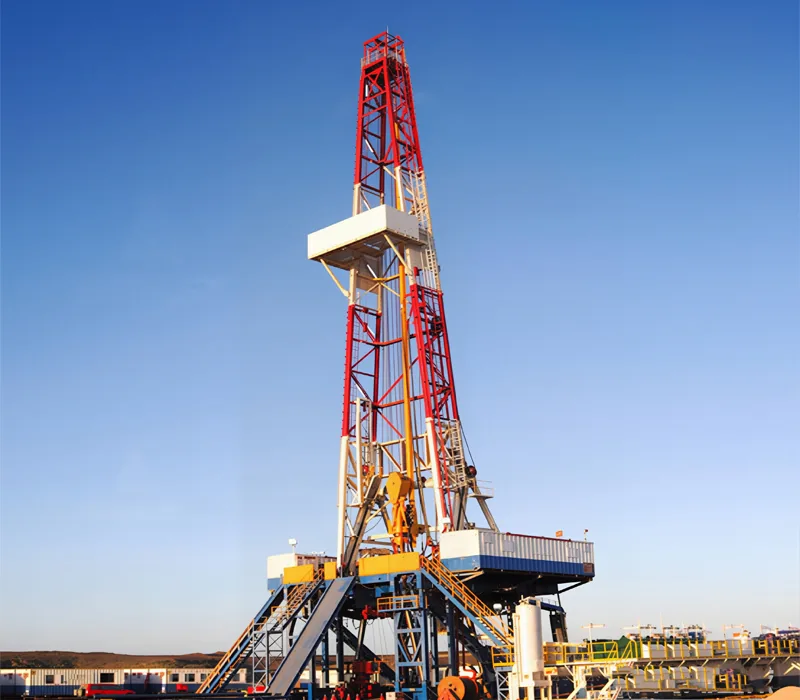
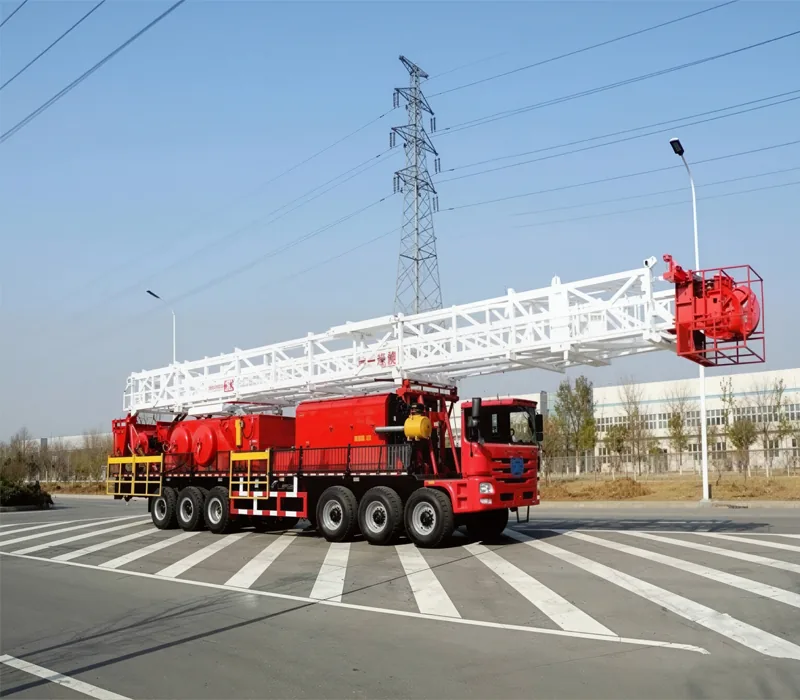
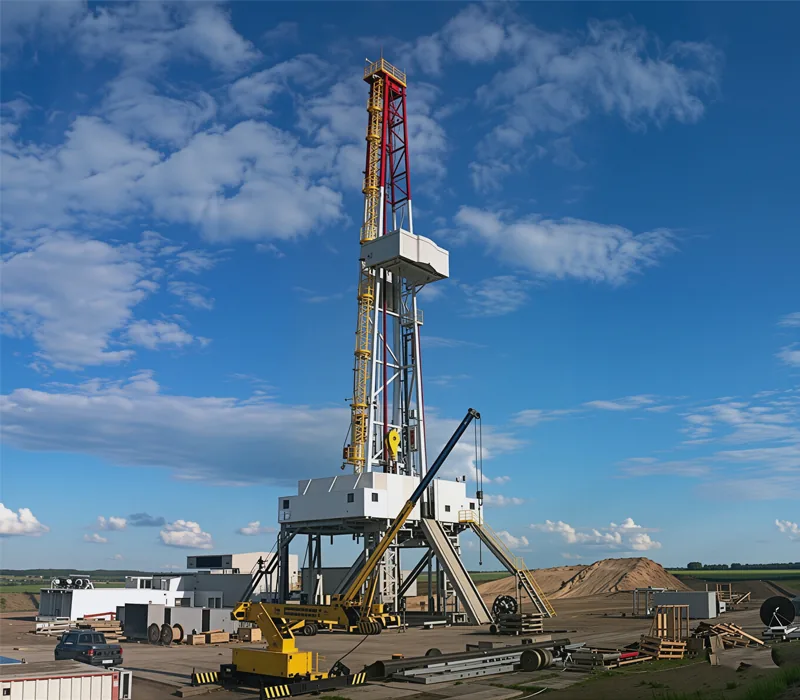
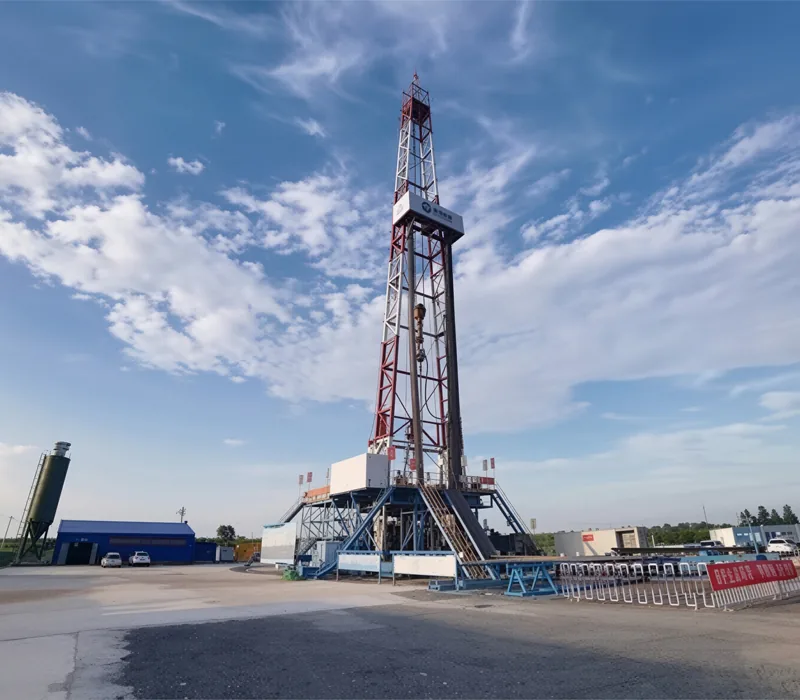
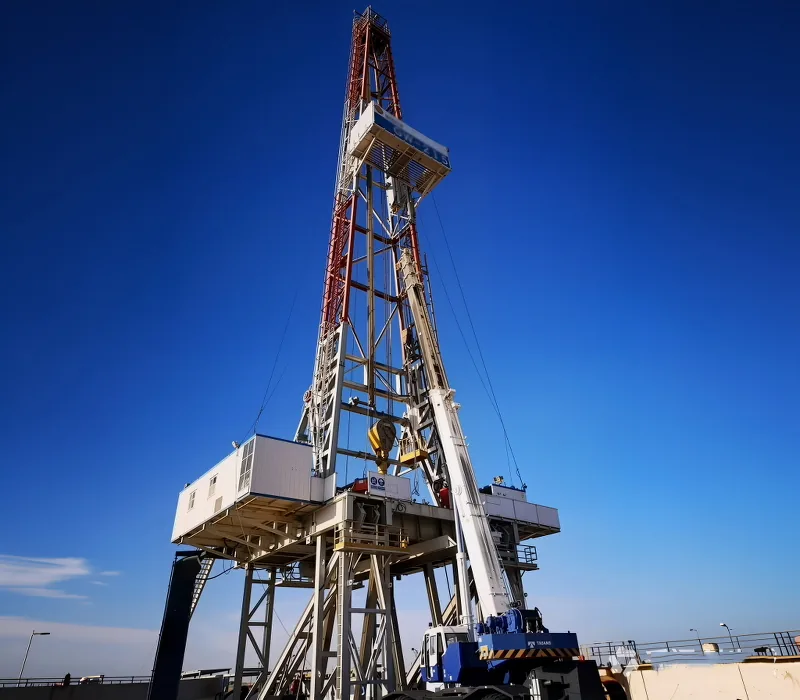
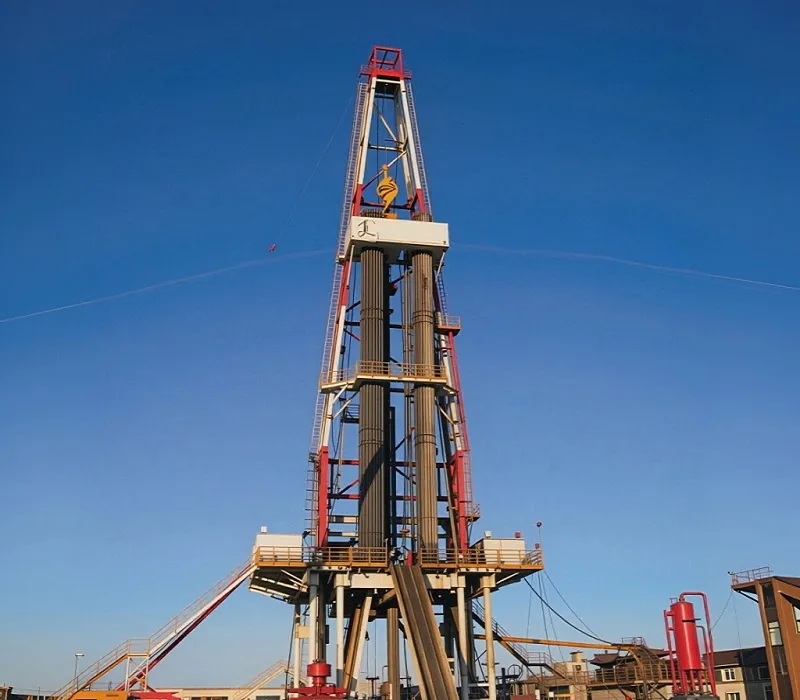
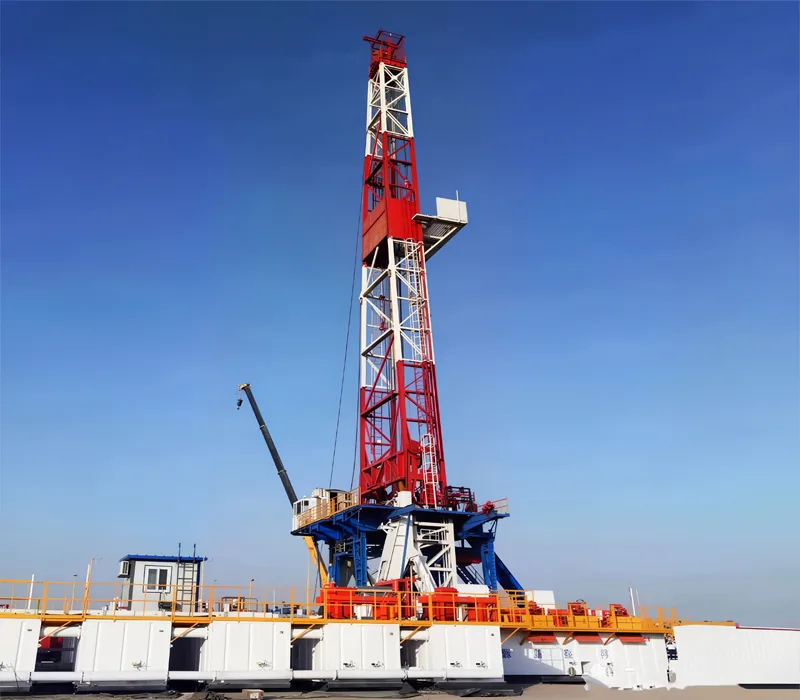
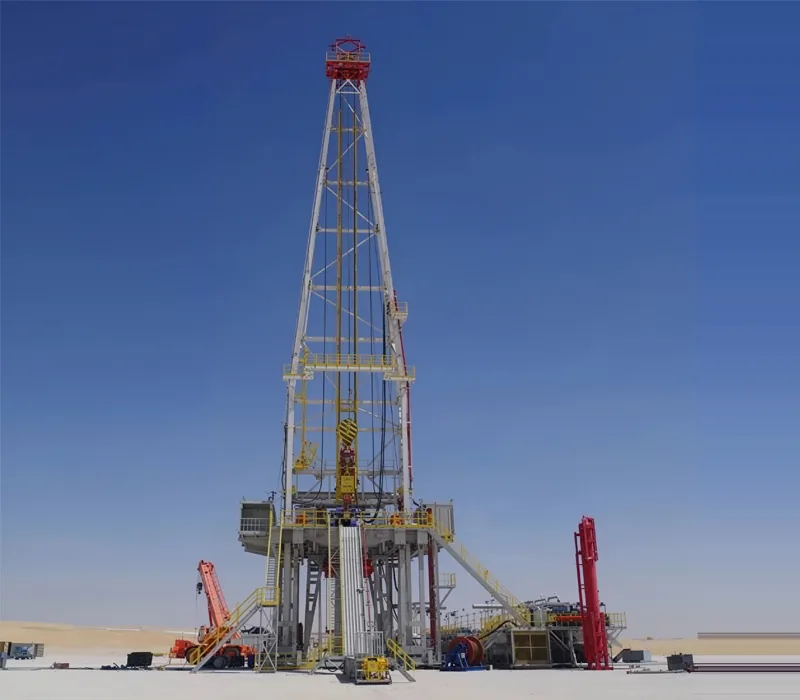
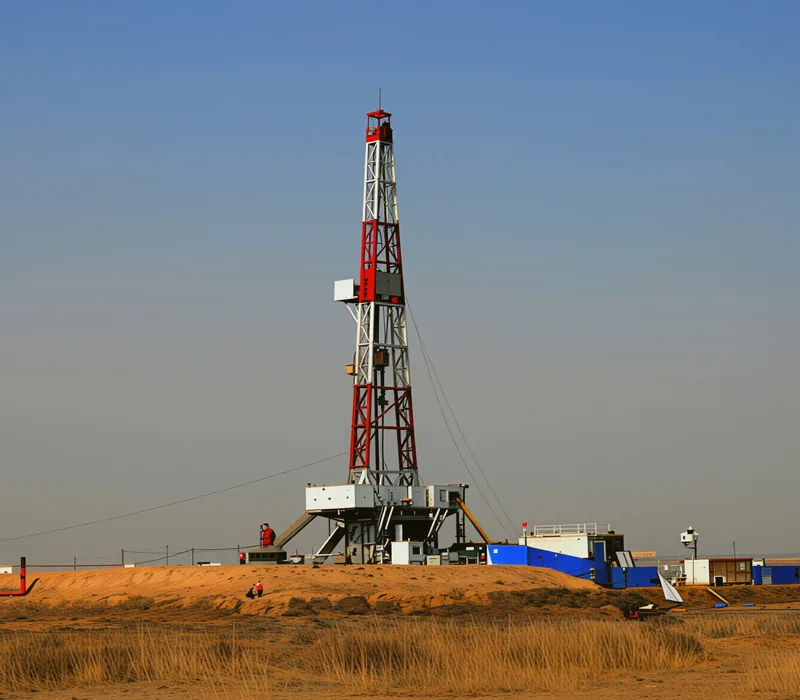
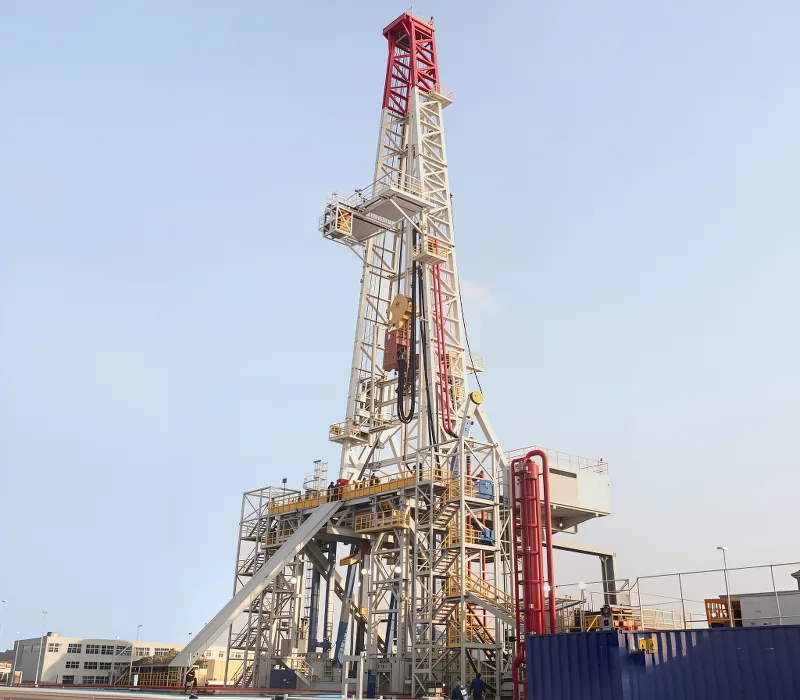
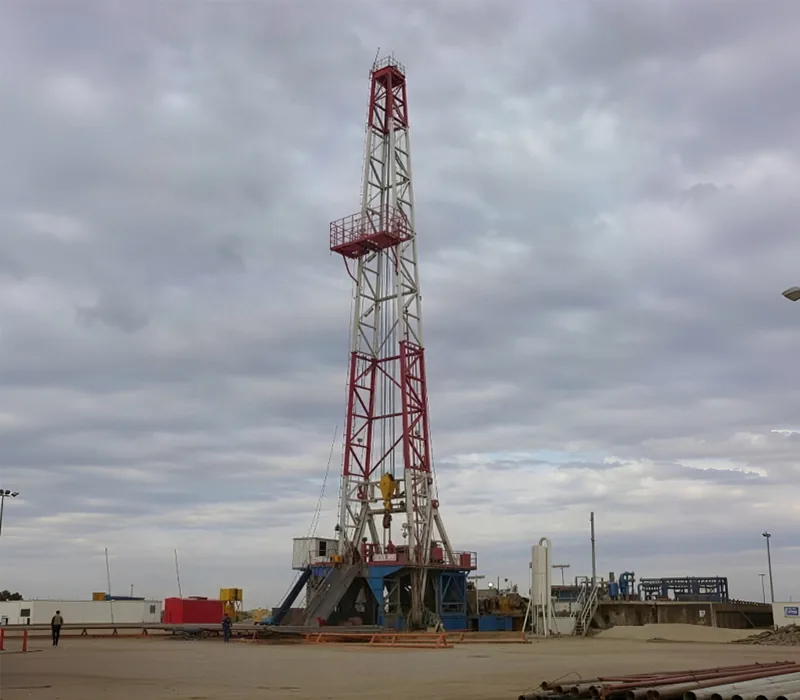
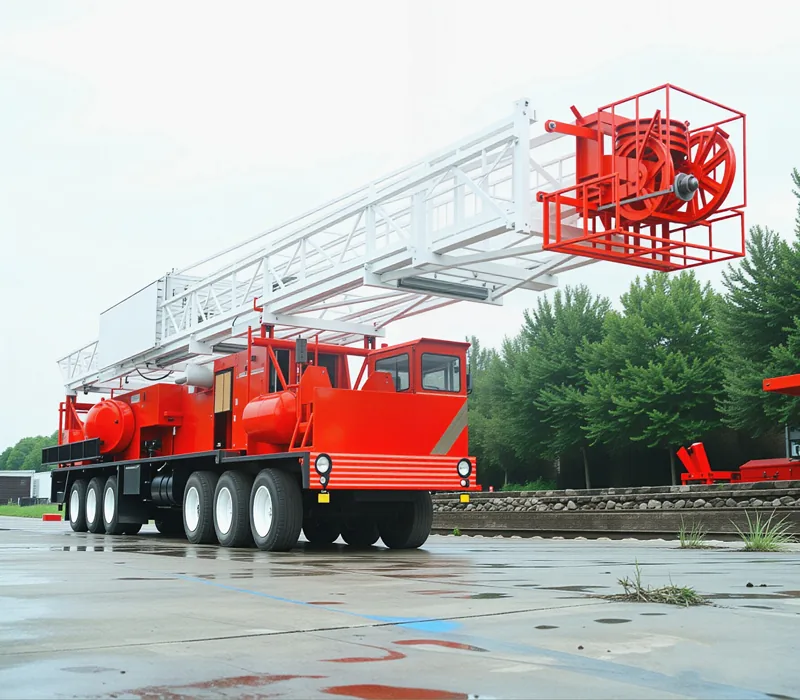
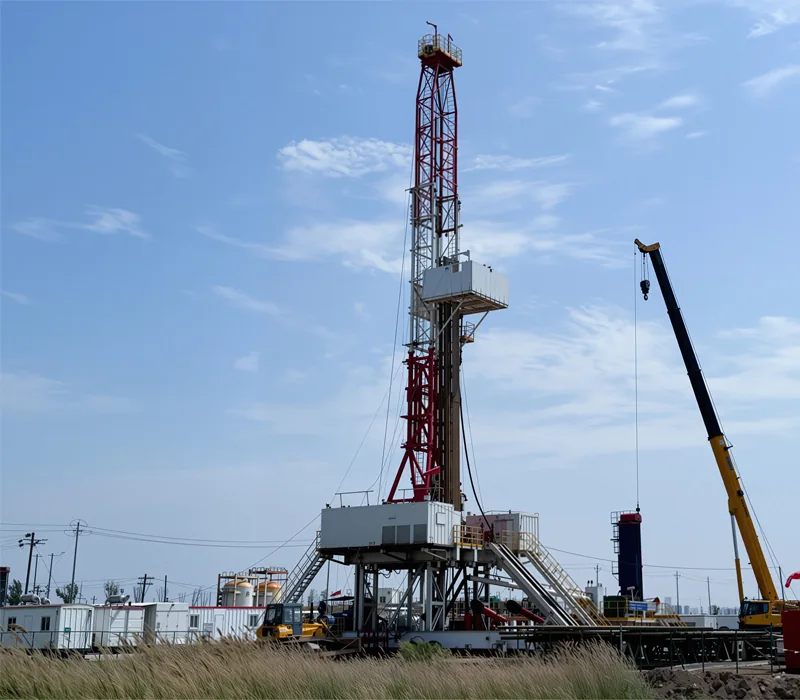
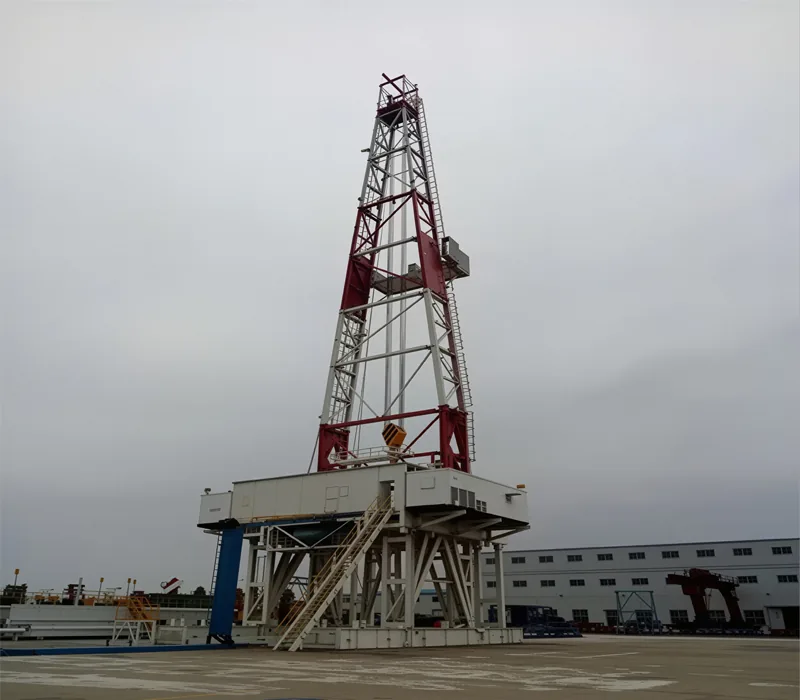
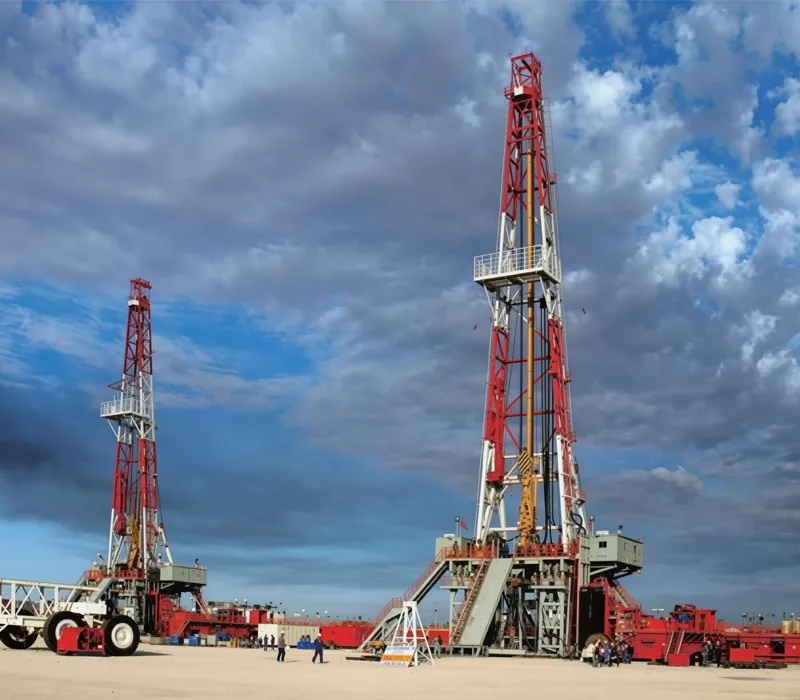
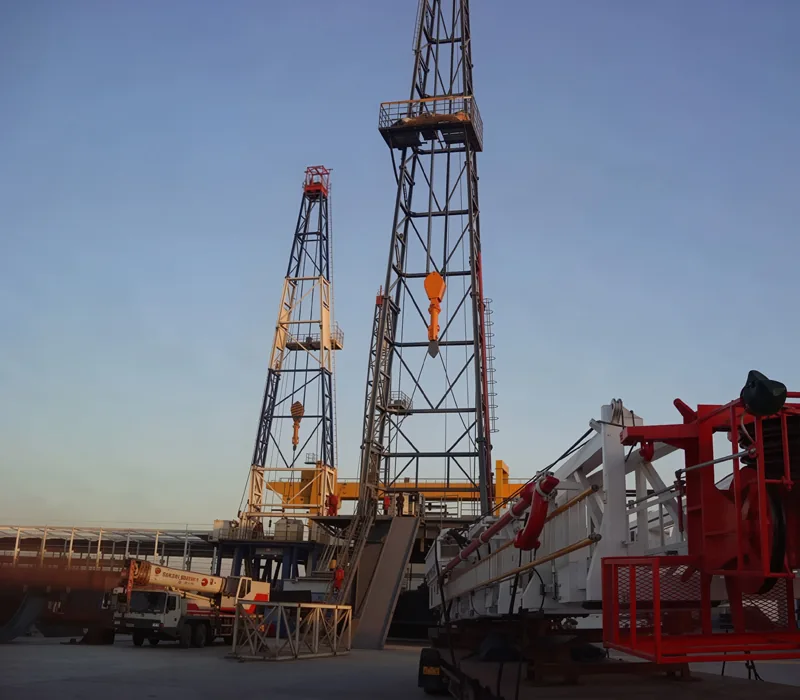
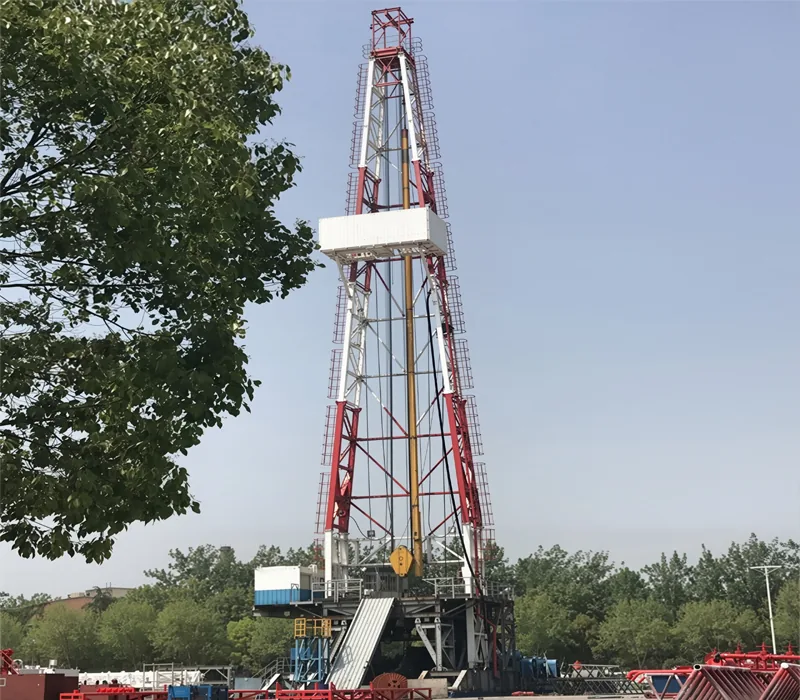
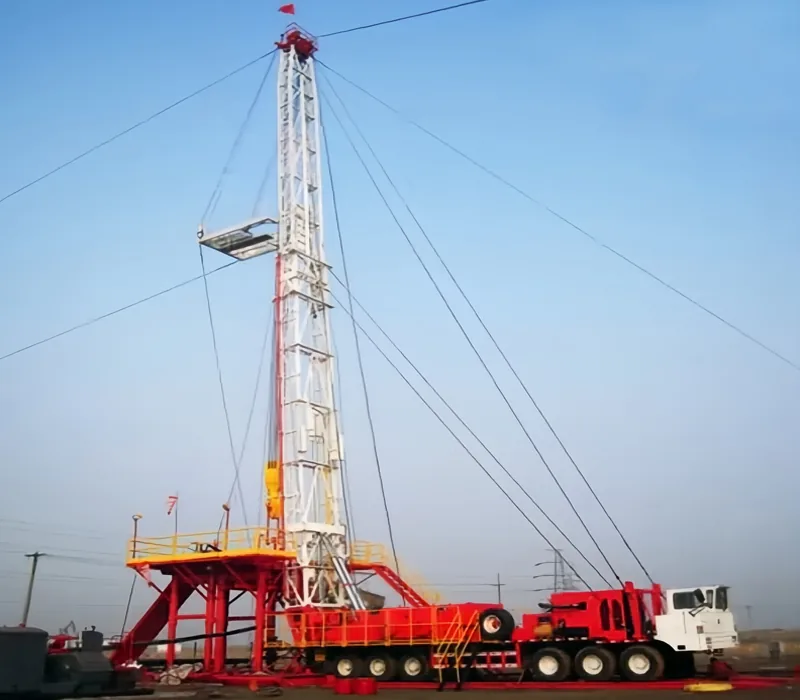
Choosing among the models below starts with the well program: target depth defines the depth class, maximum hook load must cover the heaviest casing string, and the drive system should match local power and operating habits. For deep onshore development wells, AC variable frequency drive is preferred for continuous speed control and power efficiency; SCR DC and mechanical configurations remain reliable choices for established fields and simpler power infrastructure.
The rest of the selection compares the derrick and substructure arrangement, drawworks rated power, and rotary table size against the site layout. A taller derrick and larger table are justified when the program includes deep casing runs; projects with tight pad space benefit from compact substructures. After shortlisting two or three units, open each model page to compare the full specification table, then confirm mud system, solids control, and spare parts scope with the sales team before requesting a quotation.
When buyers move from the well program to a shortlist, the practical step is to collect one comparable land drilling rig price from each candidate depth class rather than chasing the lowest headline number. A ZJ40DB drilling rig price reflects its 4000 m depth class and 2250 kN hook load, while a ZJ70DB figure carries the 7000 m, 4500 kN deep-well specification, so the two are never directly comparable on cost alone. We recommend asking each land drilling rig manufacturer to itemize drawworks power, derrick rating, and the mud and solids control scope inside the quoted package. As an established land drilling rig exporter serving overseas fields, we then issue a formal land drilling rig quotation that lists optional climate packages, spare parts, and commissioning support side by side, so your comparison table stays consistent across models.